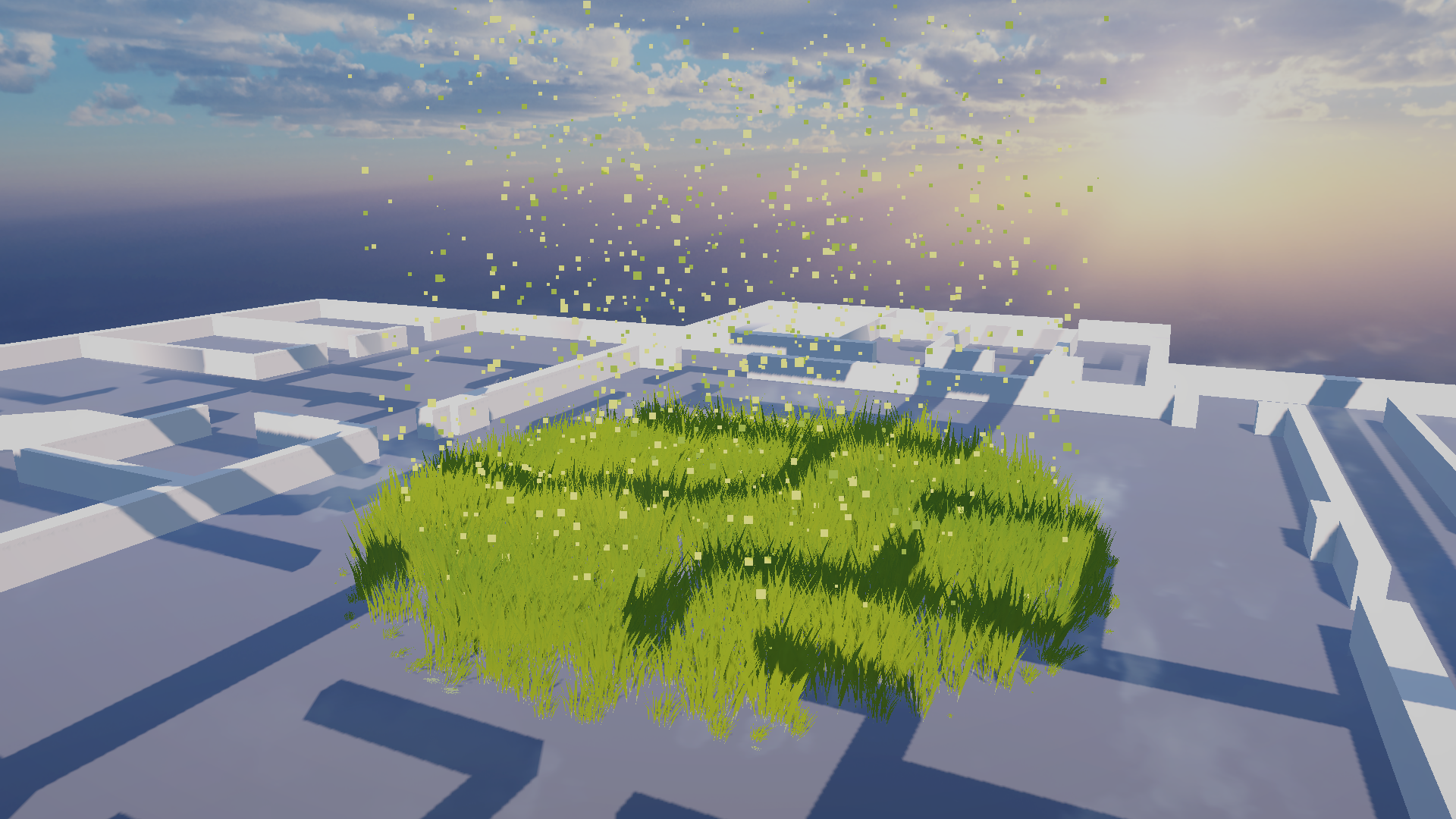
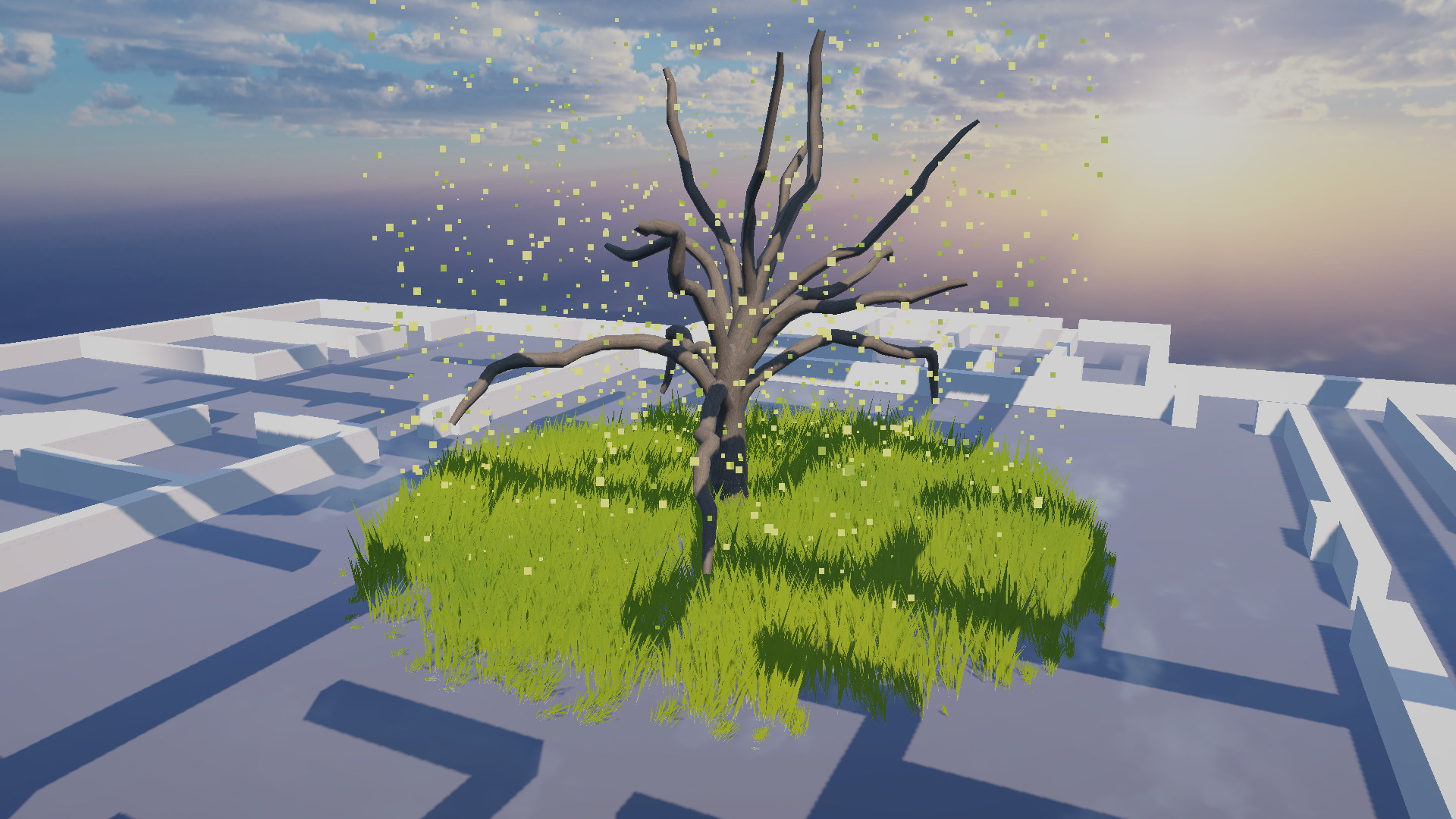
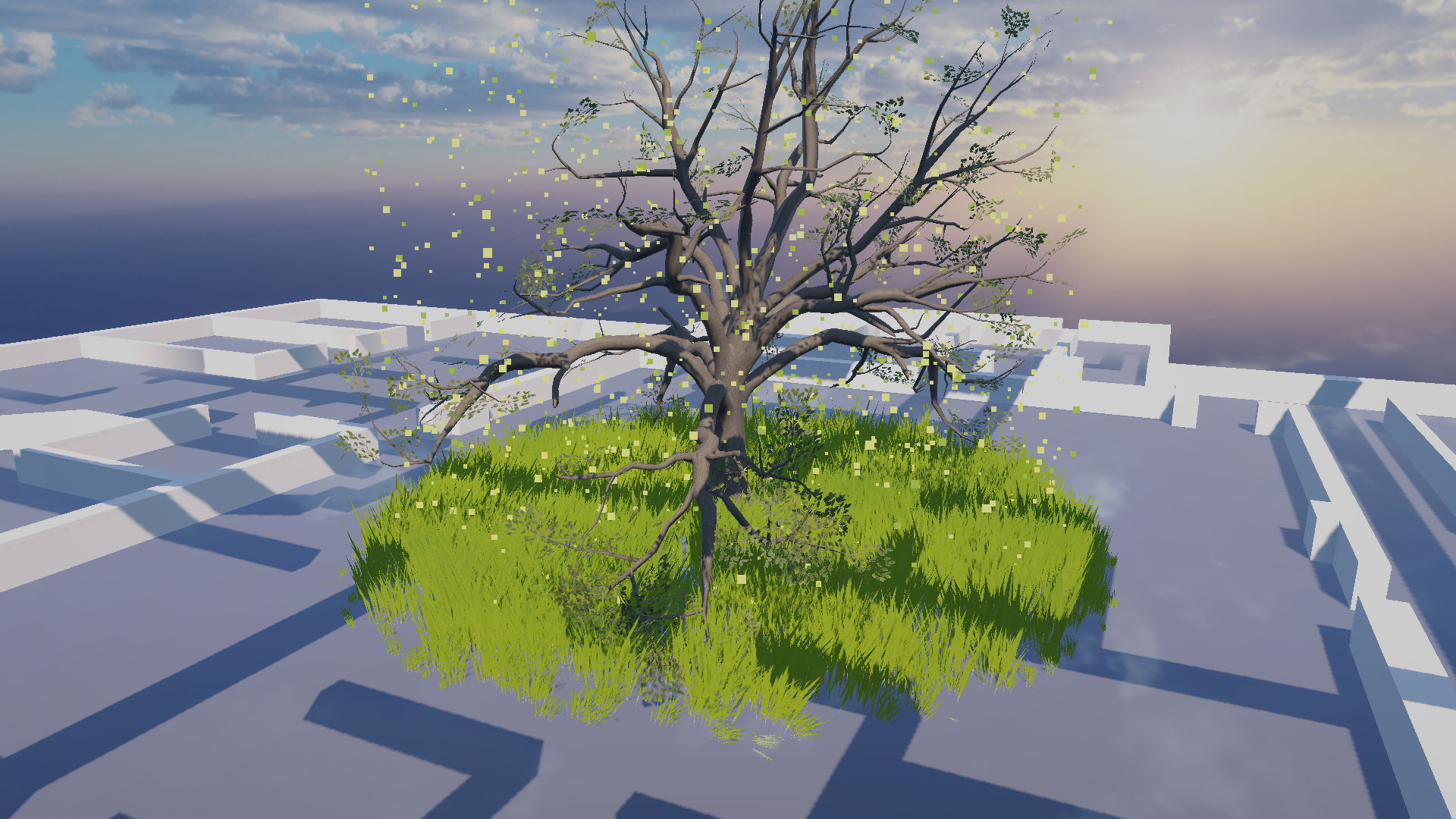
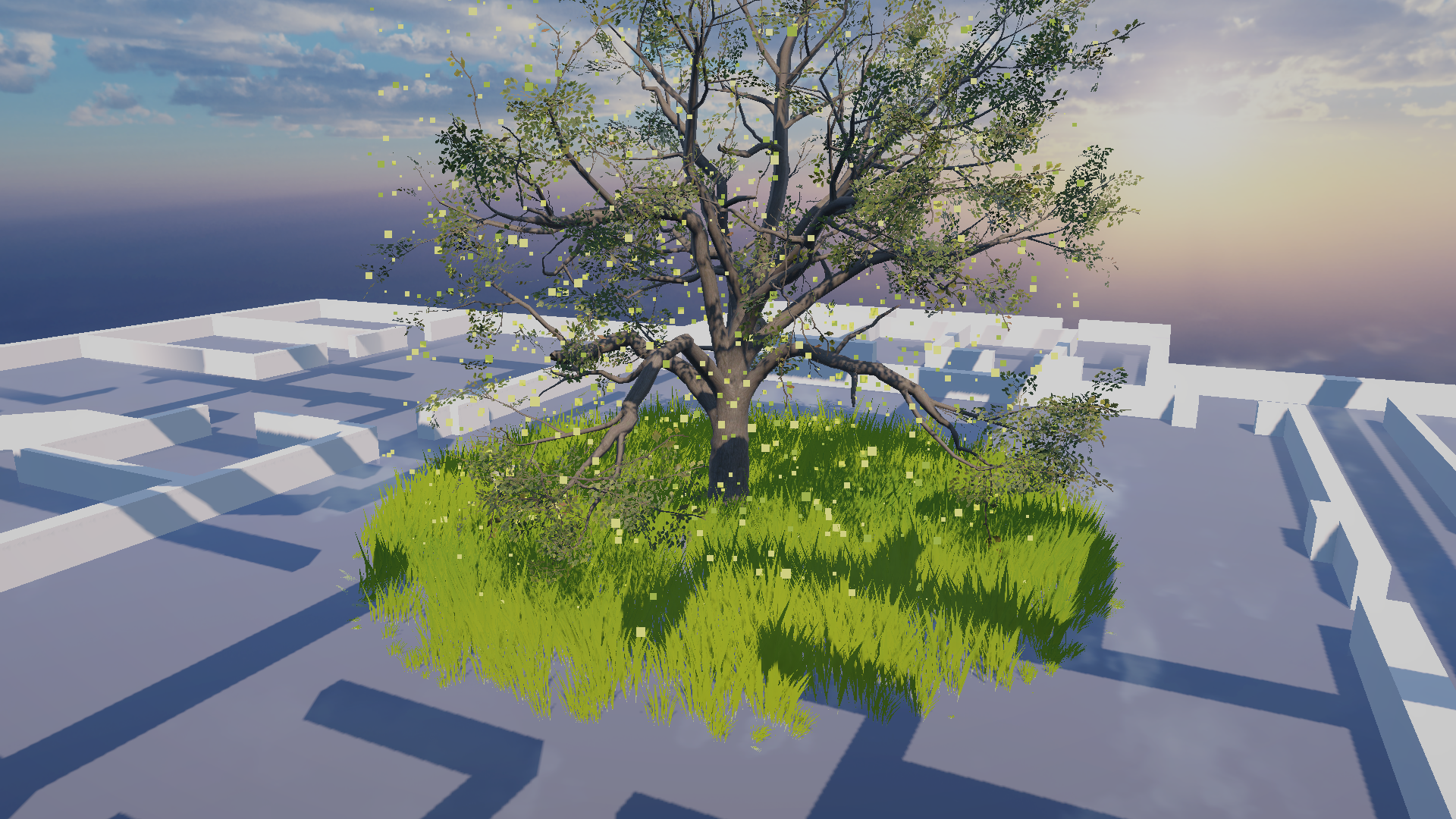
There is a particular feeling I have been trying to reproduce. If you have ever stood inside a building, a campus, or a compound and come across a scale model of that same place, you know it. Mine came at the exit of an old lead mine: after an hour underground we surfaced next to a 3D map of the entire mine, and the tunnel we had just walked through was reduced to a few inches of bent wire. For a moment you hold both scales at once. You feel small, and you feel connected to the whole structure, because seconds ago you were inside the object you are now looking down at.
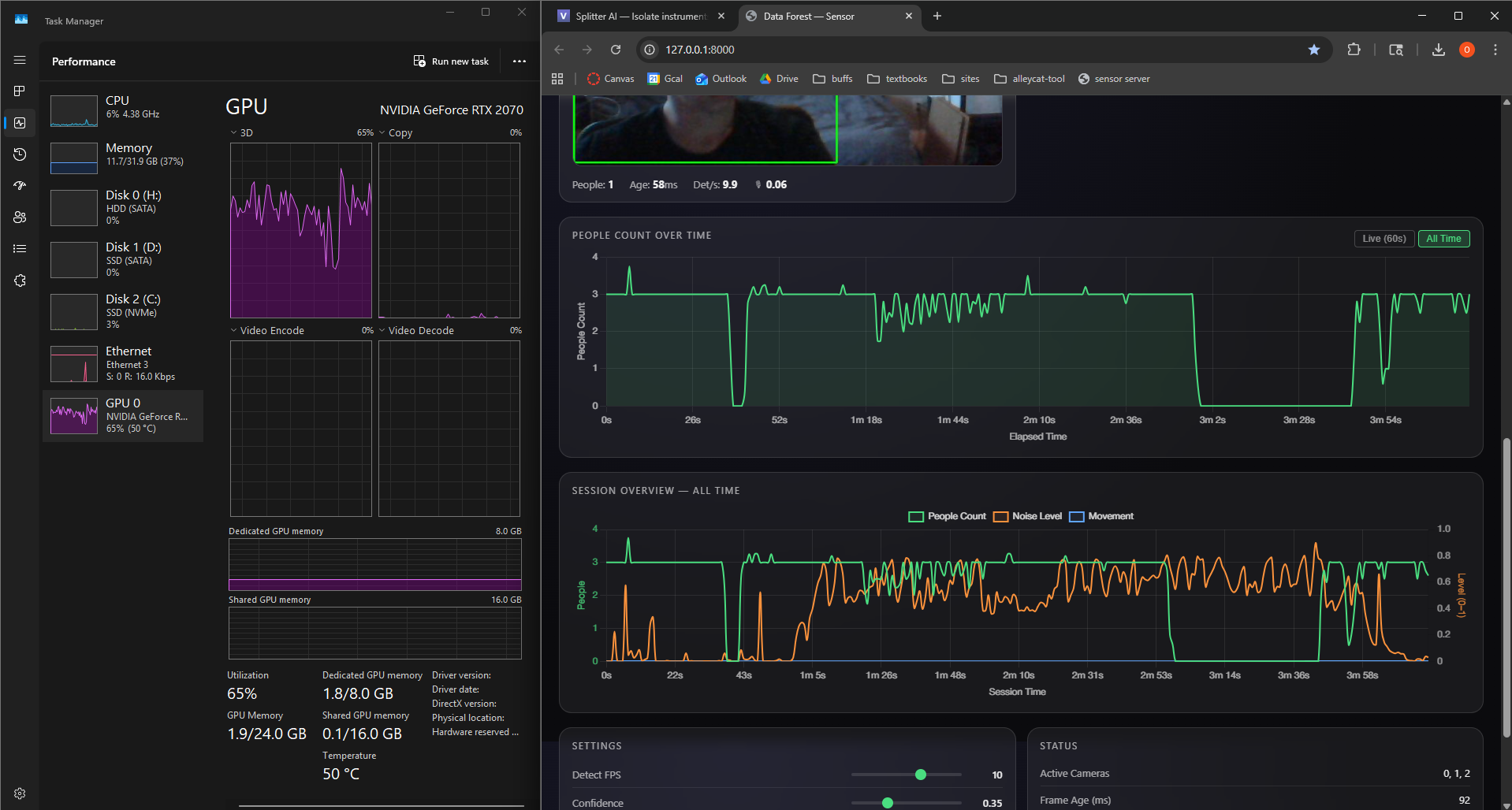
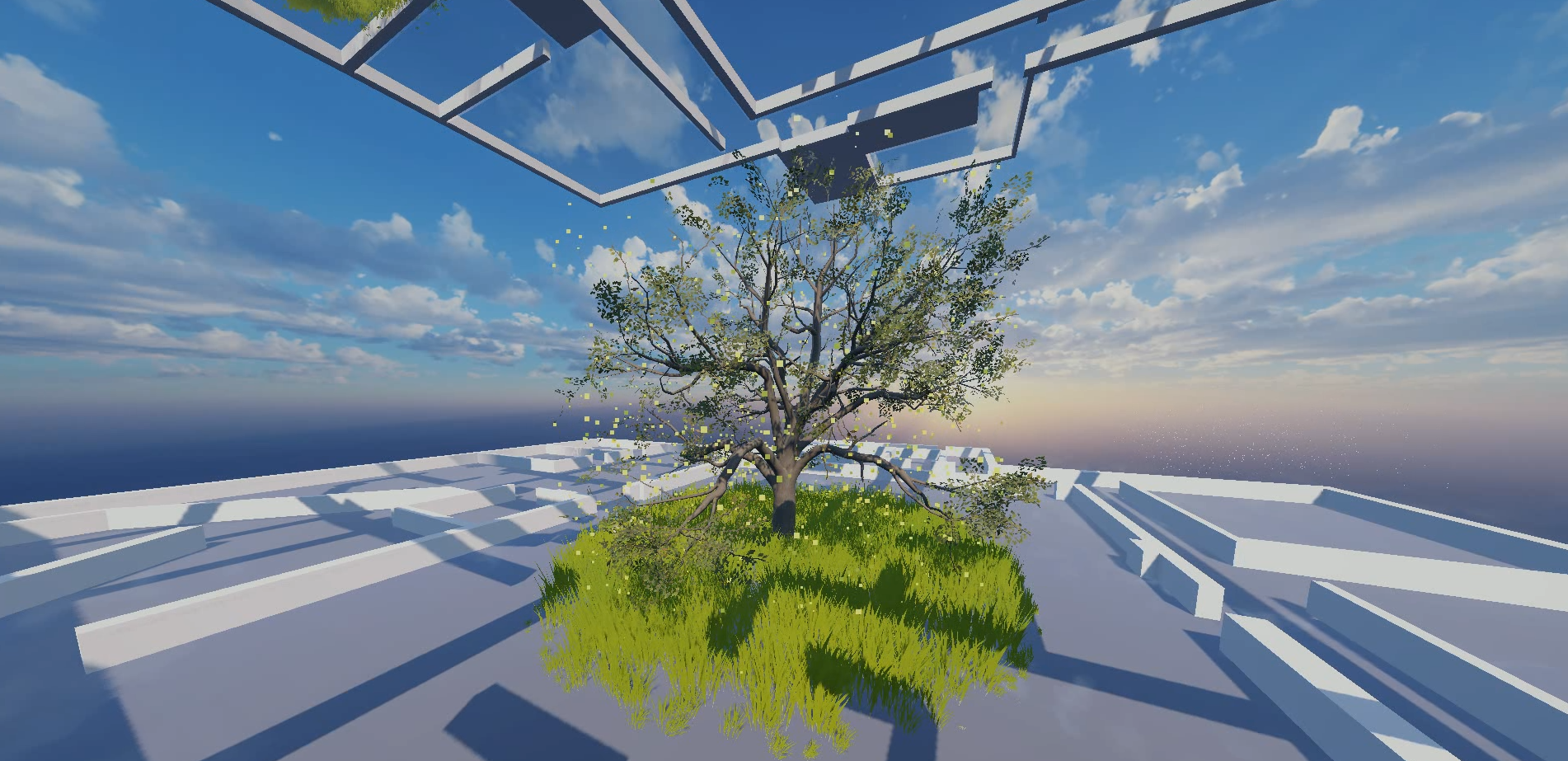
Data Forest starts from that feeling and adds the thing a static model cannot do: it updates itself. The forest is a live portrait of the building, drawn continuously by the people moving through it, and nearly all of them are unaware of it. Someone crossing a hallway two floors up adds growth to their zone of the forest and stirs the canopy without ever knowing the piece exists. When the building fills, the forest thickens and moves. When it empties, it goes still.
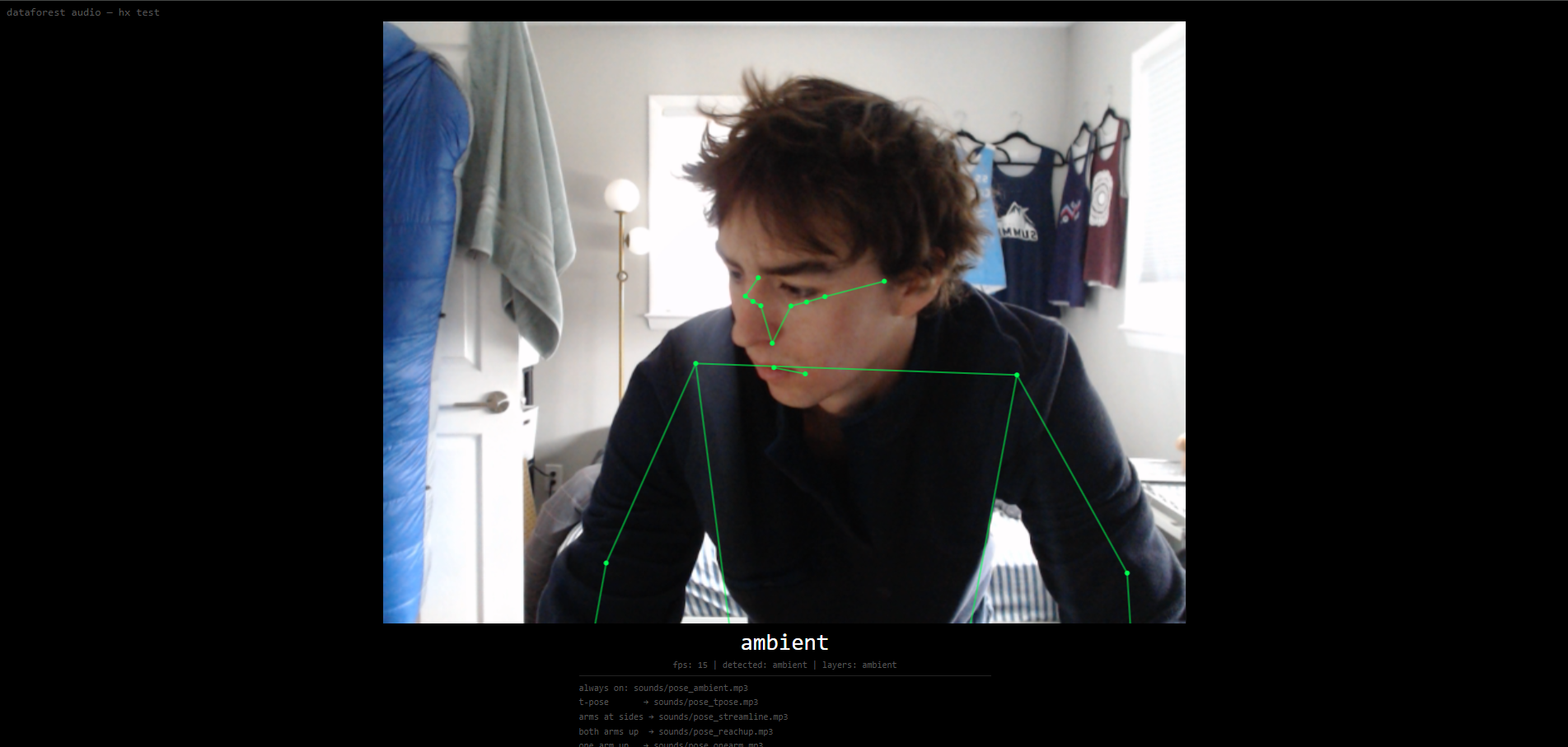
The viewer completes the loop. A camera near the screen reads the people standing in front of it, so a visitor is simultaneously the audience for the portrait and one of its subjects. You are watching a crowd you belong to, and your presence is changing the image while you watch it. That is the strange doubling the mine map only hinted at.
The last intention is the record. Crowds are rare, short-lived events: a building fills, hums for a few hours, and empties without leaving a trace. The forest gives that energy somewhere to accumulate. A full house shows up as growth and motion, and the quiet afterward reads as stillness. In that sense the piece is less a data display than a way of celebrating, and briefly remembering, people gathering.